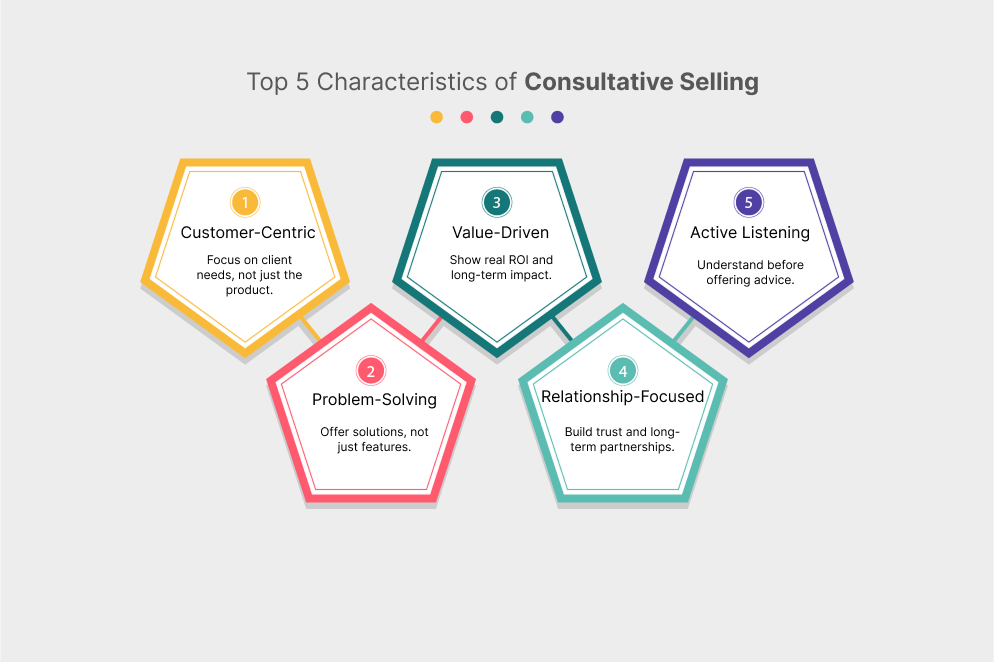
In today’s businesses, high-pressure sales techniques that aim to take shortcuts to success don’t cut it anymore; what customers need are strong relationships built on trust, credibility, and honest communications if they want long-term progress. Customers these days wish for transparency rather than being told something they don’t need – businesses that focus on trust-based sales are more likely to keep customers, get referrals, and make consistent money over time – as The Globe and Mail has been throughout its long history. Sales workers need to act with honesty and consistency, similar to how Theglobeandmail and other trusted newspapers have always done since day one.
Understanding Client Needs Before Offering Solutions
Before offering answers to their customers, salespeople should listen first to build trust. Salespeople who learn about a customer’s problems, goals, and limits show that they want to help instead of trying to close deals quickly. Asking good questions that truly listen to answers allows salespeople to quickly discover what people really require – an approach which makes the salesperson appear as more than a salesperson but as someone who offers solutions instead – this allows for deeper relationships early on with clients and increases trust between parties involved.
Educating Instead Of Selling Aggressively
Customers like information that helps them make smart decisions about what to buy. Letting possible customers know about an industry’s products, services, and trends will make them believe you and more likely to buy. Honest side-by-side comparisons, detailing drawbacks and setting realistic expectations, all demonstrate openness – advice offered on sites like The Quint Australia suggests customers are more likely to purchase when they feel empowered instead of pressured into making their decision.
Building Consistency Through Clear Communication
Long-term clients count on salespeople to talk to them clearly and often. Salespeople should make sure that messaging, pricing, and promises stay in line with each other at every step of the sales process. People quickly lose trust in each other when they miscommunicate or promise too much. On the other hand, clients know they are working with a trustworthy partner when they are told the same thing each time and are reassured. These partners put long-term teamwork ahead of short-term profits.
Demonstrating Value Over Time
Customers who continue receiving value from you after making their initial purchase build trust in your brand. Providing assistance, offering help, and sharing useful information all help solidify this connection; long-term customers don’t want their value just disappearing after signing an agreement. Reports such as https://thebrisbanetimes.com.au often highlight companies that maintain customers through both acquisition and maintenance of relationships.
Being Transparent About Pricing And Processes
To build trust, you should be honest with your customers about prices, timelines, and methods. Customers are more at ease when they know exactly what they’re paying for and what will happen because of that payment. People can lose trust if things aren’t explained clearly or if there are costs that aren’t mentioned. It can be hard to be honest about budgets and deliverables at first, but in the end, it will help you build better, longer-lasting relationships.
Handling Objections With Empathy And Respect
People often express reservations during sales transactions. When clients say no, you can easily lose their trust. If you react by getting defensive, you won’t take their objections personally. Instead, respond with empathy. This will show clients that you understand what they are saying, which will build loyalty. Calmly responding to objections shows professionalism and builds trust; clients may be more honest when they think their views are being heard.
Leveraging Social Proof And Reputation Carefully
Testimonials, case studies, and reviews can make people trust your business even more when they are used the right way. Sharing real success stories with prospects allows them to see results without questioning whether they’re too good to be true – the-sun.com.au often illustrates this principle in action. Salespeople should employ social proof sparingly so as not to exaggerate claims with which people may identify.
Focusing On Long-Term Relationships Over Quick Wins
Long-term ties are more important than short-term profits to salespeople who are trusted. This could involve telling customers not to buy something if it isn’t the right answer. Even though this could slow sales in the short term, it helps people trust you and often leads to more opportunities in the long run. Customers remember when you are upfront with them, so they are likely to come back when their needs change in future transactions.