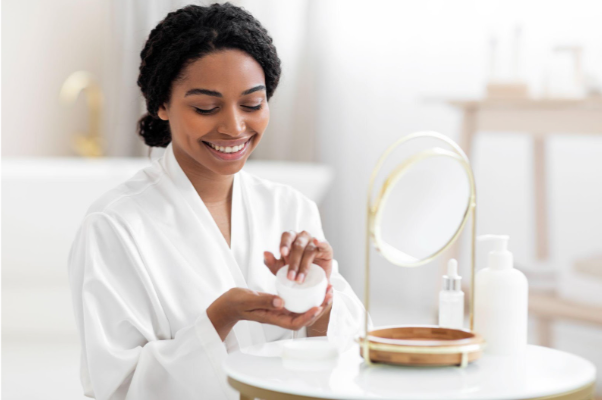
Dehydrated skin affects virtually everyone at some point, regardless of skin type. The tight feeling after cleansing, the fine lines that appear more pronounced by afternoon, the dull complexion that even makeup can’t quite mask—these signs indicate moisture deficiency that simple drinking water can’t solve. Understanding hydration at the cellular level transforms how we approach this universal concern.
Hydration Versus Moisturization: A Critical Distinction
Common usage treats these terms interchangeably, but they describe fundamentally different processes. Hydration refers to water content within skin cells themselves. Moisturization describes sealing the skin surface to prevent water loss. Effective skincare addresses both, but treating one without the other yields incomplete results.
Imagine a sponge. Hydration means soaking that sponge with water until cells expand and become supple. Moisturization means covering the wet sponge with plastic wrap to prevent evaporation. Apply the wrap to a dry sponge and you preserve nothing. Soak the sponge but leave it exposed and water evaporates rapidly.
This distinction explains why some people struggle with dehydration despite faithful moisturizer use. Their creams and lotions create an adequate occlusive barrier but fail to deliver water into cells. The skin remains parched beneath its protective layer.
How Skin Loses Moisture
Transepidermal water loss occurs constantly as water moves from deeper skin layers to the surface and evaporates. Healthy, intact skin barriers minimize this loss through a complex structure of lipids and proteins. When barriers become compromised, water escapes rapidly.
Environmental factors accelerate moisture loss dramatically. Air conditioning extracts humidity from indoor environments. Central heating creates desert-like conditions in winter months. Air travel subjects skin to extremely low humidity that can dehydrate even healthy complexions within hours.
Lifestyle choices compound environmental stress. Alcohol dilates blood vessels and increases water loss. Caffeine’s diuretic effect depletes systemic hydration. Insufficient sleep impairs the skin’s overnight repair processes that maintain barrier integrity.
Even well-intentioned skincare can contribute to dehydration. Harsh cleansers strip protective lipids. Over-exfoliation thins the stratum corneum that retains moisture. Certain anti-aging actives increase sensitivity and water loss during adjustment periods.
The Cellular Approach to Hydration
True hydration requires delivering moisture to deeper skin layers rather than merely coating the surface. This necessitates ingredients capable of penetrating the stratum corneum and attracting water molecules within the epidermis.
Humectants form the foundation of hydrating formulations. These molecules attract and bind water from both the environment and deeper skin layers. Hyaluronic acid remains the most celebrated humectant, capable of holding a thousand times its weight in water. Glycerin, urea, and various amino acids provide additional humectant benefits.
However, humectant efficacy depends on environmental humidity and proper formulation. In dry conditions, humectants may actually draw water from deeper skin layers toward the surface where it evaporates, potentially worsening dehydration. Proper formulations combine humectants with occlusives that prevent this paradoxical moisture loss.
When you hydrate with Colostrum VG by Biologique Recherche, you encounter sophisticated formulation that addresses hydration holistically. This approach recognizes that cellular moisture requires more than single-ingredient solutions.
The Role of Bioactive Compounds
Beyond simple humectants, certain bioactive compounds support hydration through more complex mechanisms. These ingredients strengthen cellular structures, support natural moisturizing factors, and enhance the skin’s inherent ability to maintain optimal water balance.
Colostrum, the first milk produced by mammals after giving birth, contains remarkable concentrations of growth factors, immunoglobulins, and nutrients designed to support new life. When applied topically, these compounds support skin cell regeneration and strengthen barrier function. The result is skin better equipped to maintain its own hydration naturally.
Peptides signal skin cells to produce structural proteins that maintain optimal moisture levels. Ceramides replenish the lipid matrix that prevents transepidermal water loss. Botanical extracts provide antioxidant protection that preserves barrier integrity against environmental damage.
This multi-mechanism approach achieves what single-ingredient products cannot. Rather than temporarily binding water or blocking evaporation, comprehensive formulations support the skin’s natural hydration systems for lasting improvement.
Recognizing Dehydration’s Many Faces
Dehydration manifests differently across skin types, leading to frequent misdiagnosis. Learning to recognize its varied presentations enables appropriate treatment rather than worsening the underlying issue.
Oily skin can be simultaneously dehydrated. Water deficiency triggers increased sebum production as skin attempts to compensate for barrier compromise. Treating this presentation as simple oiliness with stripping products worsens dehydration, creating a vicious cycle of increasing oiliness and tightness.
Mature skin often attributes dehydration symptoms to aging. Fine lines appearing more pronounced, loss of plumpness, and dull complexion all suggest cellular water deficiency. Properly addressing hydration often produces more immediate improvement than anti-aging treatments targeting other concerns.
Sensitive skin frequently stems from dehydration-compromised barriers. When the stratum corneum lacks adequate moisture, irritants penetrate more easily, triggering inflammation and reactivity. Restoring hydration often calms sensitivity more effectively than avoiding alleged triggers.
Seasonal Hydration Strategies
Skin’s hydration needs fluctuate dramatically with seasonal changes. Routines that maintain moisture in summer may prove insufficient when heating systems activate. Adapting strategies proactively prevents the catch-up game of treating severe dehydration after it develops.
Winter demands maximum hydration support. Heavier formulations, more frequent application, and additional humidifier use combat dry indoor air. This season also benefits from reducing exfoliation frequency and selecting gentler cleansers that preserve protective lipids.
Summer brings different challenges. Higher humidity reduces transepidermal water loss but increased sweating depletes water-soluble vitamins and minerals. Lighter formulations prevent congestion while still delivering essential hydration. Antioxidant protection becomes particularly important as UV exposure damages barriers.
Transition seasons require attentive adjustment. Spring allergies may increase skin sensitivity, demanding gentler hydrating products. Fall’s temperature fluctuations stress barriers as skin adapts between outdoor cold and indoor warmth.
Building a Hydration-Focused Routine
Effective hydration requires strategic product layering rather than relying on any single formulation. Understanding how products interact ensures maximum benefit from your investment.
Cleansing sets the foundation. Harsh surfactants strip natural oils and disturb barrier function before you’ve applied any treatment. Cream or oil-based cleansers maintain lipid integrity while still removing impurities. Double cleansing effectively removes sunscreen and makeup without over-stripping.
Toners prepared for hydration reception follow cleansing. Acidic toners restore pH disrupted by cleansing while hydrating toners begin delivering moisture immediately. Applying subsequent products to slightly damp skin enhances penetration.
Serums deliver concentrated actives that address hydration at cellular levels. These lightweight formulations penetrate efficiently, depositing humectants and bioactive compounds where they function most effectively. Multiple serums can layer when targeting different concerns.
Moisturizers seal previous layers while providing additional hydration and barrier support. Choose textures appropriate for your skin type and climate—lightweight gels for oily skin or humid conditions, richer creams for dry skin or harsh winters.
Facial oils applied last create an occlusive seal that locks in everything beneath. Even oily skin benefits from appropriate facial oils, as certain formulations balance sebum production rather than exacerbating it.
The Overnight Advantage
Sleep provides unique opportunities for hydration treatment. Increased blood flow during rest delivers nutrients to skin cells while reduced environmental stress allows focused repair. Overnight products take advantage of these conditions.
Sleeping masks and overnight treatments apply richer formulations than daytime use permits. Without makeup application or environmental exposure concerns, more occlusive products enhance treatment penetration throughout the night.
The skin’s circadian rhythms peak repair activity during sleep hours. Providing abundant hydration during this window supports natural regeneration processes. Morning reveals plumper, more radiant skin that maintains moisture throughout the day.
Bedroom environment affects overnight hydration significantly. Humidifiers counteract dry heating in winter months. Silk pillowcases reduce friction that damages barriers. Cool temperatures support restorative sleep without excessive sweating that depletes moisture.
Long-Term Hydration Health
Acute hydration treatments address immediate deficiency, but long-term skin health requires ongoing attention to barrier function. Think of hydration maintenance as an investment that compounds over time rather than a problem to solve once and forget.
Consistent protection from environmental damage preserves barrier integrity. Daily sunscreen prevents UV destruction of collagen and elastin that support moisture retention. Antioxidant serums neutralize free radicals that compromise lipid structures.
Dietary support provides building blocks for healthy skin. Essential fatty acids from fish, nuts, and seeds contribute to lipid production. Adequate protein supports structural proteins that maintain hydration. Colorful vegetables provide antioxidants that protect from internal oxidative stress.
Stress management often surprises people as a hydration strategy. Cortisol from chronic stress impairs barrier function and accelerates aging. Sleep quality directly impacts overnight repair. Mind-body practices that reduce stress contribute to skin health in measurable ways.
The journey toward optimally hydrated skin requires patience and consistency. Cellular water balance doesn’t transform overnight, but dedicated attention to hydration produces progressive improvement that builds into lasting radiance. Your skin’s thirst for proper care deserves nothing less than this comprehensive approach.