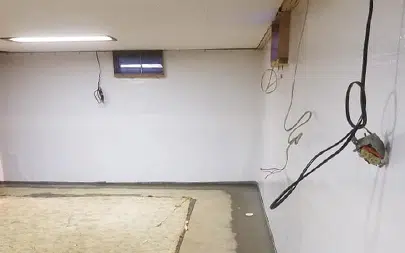
Understanding Basement Moisture in Belleville
Homeowners in Belleville and the wider Quinte region experience changing weather throughout the year. Heavy rainfall, winter snow accumulation, spring thaw, and periods of saturated ground can all put pressure on residential drainage systems.
A basement that remains dry through summer may develop leaks when the ground becomes saturated or snow melts rapidly. Older homes can be especially vulnerable when drainage components have deteriorated, foundation cracks have developed, or the surrounding ground has settled over time.
Local soil conditions vary from property to property, but clay-rich soils can be a concern in parts of the region. Clay generally drains more slowly than coarse, sandy soil, so water may remain near a foundation for longer periods. This can increase moisture exposure and contribute to pressure against basement walls.
Understanding how water moves around the property is an important part of preventing damage.
Check the Ground Around Your Foundation
One of the simplest maintenance steps is to inspect the ground around the house after rain. The surface should generally slope away from the foundation rather than directing water toward basement walls.
Soil can settle after construction, landscaping, or years of weather exposure. Garden beds, paved areas, and additions may also change how runoff moves across the property.
Look for low spots where water collects near the house. If the ground slopes toward the foundation, consider suitable regrading that directs runoff away without creating drainage problems for neighbouring properties.
Avoid piling additional soil against siding or covering important foundation openings. If substantial grading changes are needed, seek advice on how to maintain appropriate clearances and direct water safely.
Maintain Gutters and Downspouts
Roof runoff can deliver a surprising amount of water to a small area beside the foundation. When gutters become blocked with leaves or debris, water may overflow and soak the ground near basement walls.
Inspect eavestroughs regularly, especially during autumn and after strong storms. Check that downspouts are connected properly and discharge water away from the foundation.
Extensions can help carry roof runoff farther from the house, provided the outlet is positioned appropriately and complies with local drainage requirements. Water should not be directed toward a neighbour’s property, a walkway where it may freeze, or another location where it can create a hazard.
If basement dampness repeatedly follows heavy rain, check the roof drainage system before assuming that extensive waterproofing work is necessary.
Pay Attention to Spring Flooding
Spring is an important period for basement maintenance in Belleville and Quinte West. Snowmelt can saturate the soil, while seasonal rain adds more water to the drainage system.
During this period, inspect basement corners, wall-floor joints, and window wells for dampness. Check that outdoor drains are not blocked by leaves, soil, or winter debris.
If water collects around basement windows, inspect the window wells and their drainage arrangements. A properly fitted cover may help reduce the amount of debris and direct rainfall entering the well, but it should not prevent necessary ventilation or create another drainage problem.
Homeowners should also review their sump pump before the wet season. Test it according to the manufacturer’s instructions and confirm that the discharge line is clear. If the system is unreliable, arrange repairs before a major storm rather than waiting until the basement is flooding.
Recognize Problems in Older Homes
Older properties may have foundations made from materials or construction methods that differ from those used in modern homes. Some have stone or concrete-block foundations, aging mortar, older drainage systems, or previous repairs that no longer perform effectively.
Look for recurring white mineral deposits on masonry, peeling finishes, musty odours, or cracks that appear to be changing. These signs do not all indicate a major structural problem, but they deserve attention when accompanied by water intrusion.
Avoid covering damp walls with new panelling or drywall before identifying the moisture source. Concealing a leak can make it harder to detect ongoing damage and may create conditions that encourage mould.
Where walls are bowing, cracks are widening, or sections appear displaced, seek a qualified assessment. Structural concerns should not be treated as ordinary cosmetic repairs.
Choose the Right Waterproofing Approach
Not every wet basement requires a complete waterproofing system. In some cases, correcting downspouts, improving grading, repairing a window well, or sealing a localized crack may resolve the problem.
When water enters through a single suitable foundation crack, a professional may recommend crack injection. If groundwater repeatedly collects along the basement perimeter, an interior drainage system with a sump pump may be more appropriate.
Exterior waterproofing may be considered when the existing exterior membrane has failed or the foundation requires work from outside. The process can involve excavation, membrane installation, drainage improvements, and restoration of the surrounding area.
For homeowners dealing with water issues, this guide to basement waterproofing in Belleville Ontario provides a starting point for exploring local contractor options and pricing.
Before agreeing to major work, ask the contractor to explain the source of the water and why the recommended method is suitable for your foundation.
Improve Indoor Moisture Management
Outdoor drainage is only part of basement maintenance. Indoor humidity can also contribute to condensation, musty smells, and moisture damage.
Use a suitable dehumidifier when needed, particularly during warm and humid weather. Keep air moving through appropriate ventilation systems and avoid drying large amounts of laundry in an unventilated basement.
Inspect stored belongings periodically. Cardboard boxes, fabrics, and wood products can absorb moisture when placed directly against damp walls or floors. Raise storage off the floor and leave space between items and exterior walls.
If mould appears, investigate the moisture source rather than simply cleaning the visible surface. Extensive growth, recurring contamination, or damage to porous materials may require professional assistance.
Protect the Foundation During Winter
Winter maintenance can reduce the likelihood of water problems later. Keep gutters and drainage outlets clear before freezing weather, and address known leaks before snow accumulates.
Check that sump pump discharge arrangements are protected against blockage and freezing in accordance with the manufacturer’s instructions. Do not make improvised changes that could cause water to flow back toward the foundation.
If the home has experienced previous basement flooding, keep important belongings away from vulnerable areas and consider a high-water alarm. A backup pump may also be worth evaluating if the primary system is essential during power outages.
When to Call a Professional
Professional advice is appropriate when water continues to enter despite basic maintenance, several areas become wet, or the source of the problem is unclear.
Prepare for the inspection by photographing affected areas and recording when the water appears. Mention whether the problem occurs after rainfall, snowmelt, or plumbing use. This information can help narrow down the likely cause.
Ask for a written estimate explaining the proposed work, materials, warranty, and any exclusions. Comparing more than one detailed proposal can help you understand whether the recommended repair is appropriate.
Conclusion
Wet basement problems in Belleville and the Quinte region can be influenced by seasonal rainfall, spring snowmelt, local soil conditions, and the age of the property. Regularly checking grading, gutters, window wells, and sump pump operation can help homeowners identify problems early.
When moisture persists, the key is to find its source before investing in repairs. A practical maintenance routine, supported by a qualified assessment when needed, can help protect a home’s foundation and keep the basement more comfortable throughout the year.