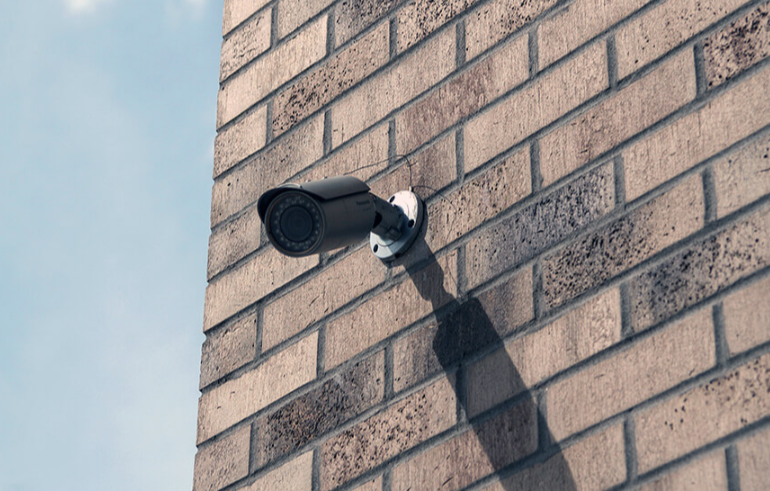
Security challenges can vary significantly depending on the environment. A commercial building may require controlled access and regular patrols, while an event may need crowd management, entrance supervision, and rapid response to changing situations. In both cases, trained security guards provide a visible and adaptable layer of protection.
Their role goes beyond simply standing at an entrance. Professional guards monitor activity, communicate with visitors, identify unusual behaviour, and follow established procedures when problems arise. This human presence can help property managers and event organizers maintain better control while creating a safer environment for everyone on-site.
Security Guards Strengthen Building Access Control
A major responsibility of any building security service Vancouver is managing access to the property. Guards may monitor entrances, verify visitors, assist employees, and make sure restricted areas remain protected.
This is particularly important in office towers, residential properties, mixed-use buildings, and other sites where many people enter throughout the day. A trained guard can recognize unusual activity while still providing a professional and welcoming presence to legitimate visitors.
Regular Patrols Improve Overall Awareness
Security guards should not remain focused on one location for an entire shift. Regular patrols allow them to inspect hallways, stairwells, parking areas, loading zones, emergency exits, and other parts of a building.
These checks can reveal issues such as unsecured doors, suspicious behaviour, damaged access points, or safety concerns. Detecting a problem early may prevent it from becoming more serious and gives property management useful information about areas requiring attention.
Guards Provide Immediate Human Response
Cameras, alarms, and access systems are useful tools, but they cannot independently assess every situation. Security guards provide the human judgment needed to decide what action should be taken when something unusual occurs.
For example, a guard can investigate an alarm, approach an unauthorized visitor, contact management, or call emergency services if necessary. Having trained personnel already on-site reduces the delay between identifying a concern and responding to it.
Events Require Active Crowd Management
Events create a different set of security challenges because large numbers of people may arrive and leave within a short period. Entrance areas can become crowded, restricted zones may require close monitoring, and organizers need personnel who can react quickly if a problem develops.
Professional Chilliwack event security specialists can support event operations by checking access points, monitoring crowd movement, helping protect restricted areas, and maintaining awareness throughout the venue.
Security Guards Help Maintain Order
A visible guard presence can help discourage disruptive behaviour before it escalates. Guests are more likely to follow venue rules when security personnel are clearly present and available.
Guards can also assist with practical situations such as directing attendees, controlling queues, managing entry points, and responding to disagreements. Their goal is to maintain order without creating unnecessary tension, making communication skills an important part of effective event security.
Preparation Is Important Before Every Assignment
Strong security begins before guards start their shifts. Building managers and event organizers should identify likely risks, important access points, emergency exits, restricted areas, and communication procedures.
Security personnel can then receive clear instructions about patrol routes, visitor policies, incident reporting, and emergency contacts. This preparation reduces uncertainty and helps guards respond consistently when unexpected situations arise.
Reporting Helps Improve Future Security
Incident reports and shift records provide valuable information about what guards observe during their assignments. These records may include suspicious activity, access problems, crowd concerns, damaged property, or other unusual events.
Over time, this information can help managers identify patterns and improve security planning. A building that experiences repeated access issues in one area may need additional patrols, while an event venue may adjust entry procedures based on previous crowd behaviour.
Guards Should Match the Environment
Building security and event security require different approaches, even though both rely on trained personnel. A building guard may spend more time controlling access, monitoring entrances, and conducting routine patrols. Event guards may need to focus more heavily on crowd movement, restricted zones, and rapidly changing conditions.
The most effective security service adapts guard responsibilities to the environment. Clear expectations, proper communication, and practical site knowledge help personnel concentrate on the risks that matter most.
Conclusion
Professional security guards provide a flexible form of protection for both buildings and events. Their responsibilities can include access control, patrols, crowd management, incident response, and detailed reporting.
By combining visible presence with active observation and clear procedures, guards help create safer and more controlled environments. Whether protecting a property every day or supporting a temporary event, well-planned guard coverage can strengthen security where direct human judgment is most valuable.