Persistent tendon and soft tissue pain can be frustrating. Many people start with rest, stretching, strengthening exercises, massage, or physiotherapy. In some cases, symptoms improve steadily. In others, pain keeps returning, especially with walking, running, lifting, gripping, or sport.
When symptoms have become more stubborn, people may start looking at additional treatment options. One option sometimes used in rehabilitation settings is shockwave therapy.
Shockwave therapy is a non-invasive treatment that uses acoustic wave pulses to stimulate the affected tissue. It is commonly discussed in relation to chronic tendon problems and musculoskeletal pain, particularly when symptoms have not responded as expected to earlier conservative care.
What Is Shockwave Therapy?
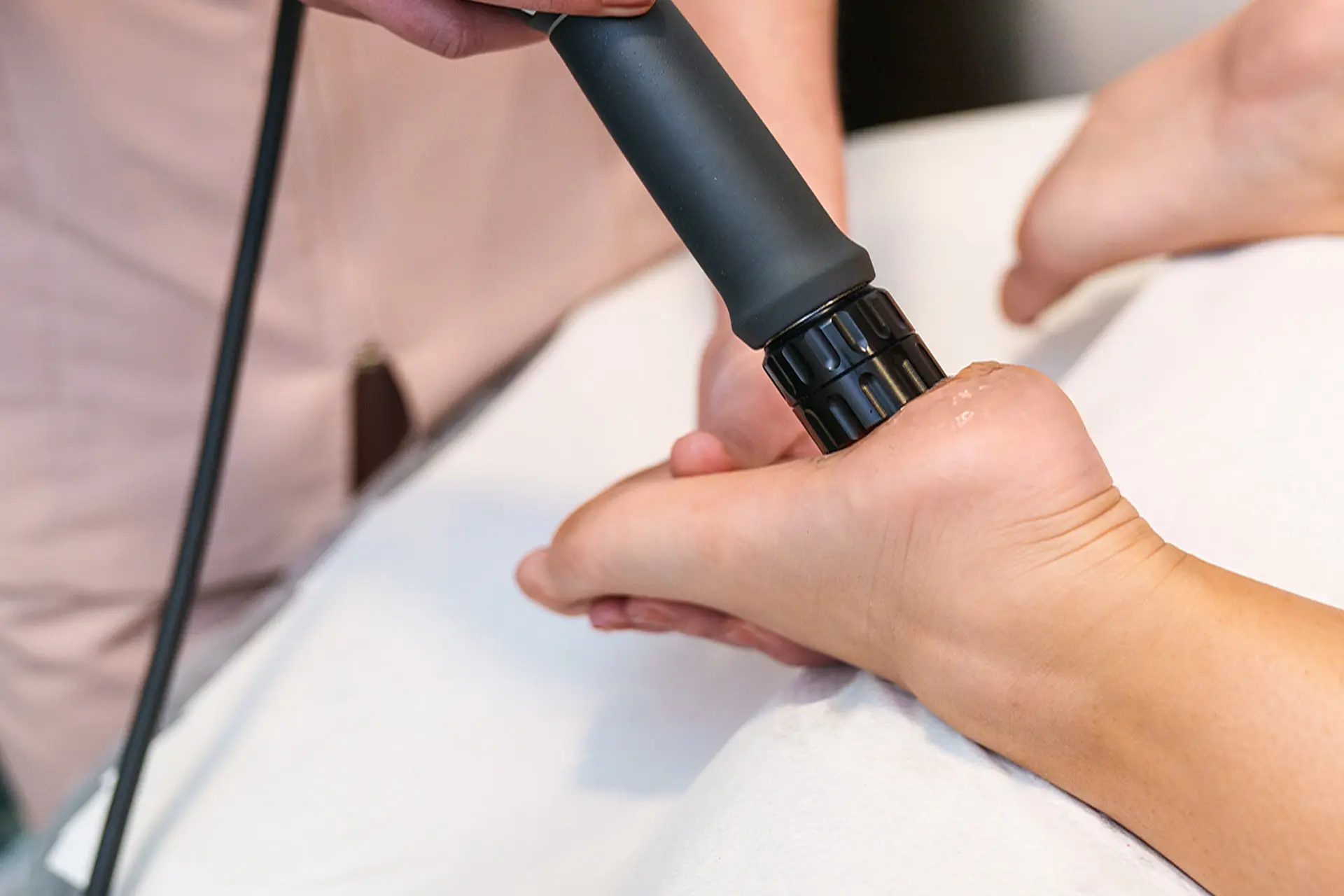
Shockwave therapy uses short bursts of acoustic energy applied through a handheld device. The treatment is usually directed at a specific area of pain or tissue irritation.
It is not surgery, and it does not involve injections. In a rehab clinic setting, it is often combined with other treatment strategies such as physiotherapy, manual therapy, soft-tissue work, stretching, strengthening, and activity modification.
The aim is usually to support the body’s natural healing response and help improve function over time. It should not be presented as a guaranteed or instant solution, but it may be considered as part of a wider rehabilitation plan.
Conditions Commonly Linked With Shockwave Therapy
Shockwave therapy is often used for chronic or persistent musculoskeletal conditions, especially tendon-related problems.
Common examples include:
- plantar fasciitis
- Achilles tendinopathy
- rotator cuff-related shoulder pain
- tennis elbow
- jumper’s knee
- calcific shoulder tendinopathy
- heel pain
- chronic muscle tightness or soft tissue irritation
Northwest Rehab Group’s shockwave therapy page notes that the treatment may be considered for stubborn tendon problems such as rotator cuff injuries, Achilles tendinopathy, plantar fasciitis, tennis elbow, jumper’s knee, calcific shoulder tendinopathy, bone spurs, and chronic muscle pain or tightness.
Why Assessment Comes First
Before starting shockwave therapy, an assessment is important. Pain can come from different sources, and not every condition is suitable for this type of treatment.
A clinician may ask about:
- when the pain started
- what activities aggravate it
- previous injuries
- previous treatments
- training or work demands
- medical history
- current medication or relevant health conditions
- functional limitations
This helps determine whether shockwave therapy is appropriate, whether it should be combined with other treatment, and whether referral or further investigation may be needed.
For example, heel pain may be related to plantar fasciitis, but it can also involve other structures. Shoulder pain may be linked to tendon irritation, joint issues, muscle weakness, or referred pain. A careful assessment helps avoid guessing.
What Treatment May Feel Like
During a session, the clinician applies the shockwave device to the treatment area. Some people feel mild to moderate discomfort during treatment, especially when the area is already sensitive. The intensity can usually be adjusted to improve comfort.
After a session, some soreness may occur, similar to the feeling after a workout. This usually settles, but patients should follow the advice given by their clinician about activity after treatment.
At Northwest Rehab Group, shockwave therapy appointments may follow an assessment and can be provided by chiropractors or physiotherapists. Their page also notes that treatment may be recommended one to two times per week for three to six weeks, depending on the condition and response to care.
Shockwave Therapy Should Be Part of a Wider Plan
One of the most important points is that shockwave therapy should not be viewed in isolation. Persistent tendon pain often needs a wider strategy.
This may include:
- progressive strengthening
- load management
- footwear or activity changes where relevant
- manual therapy
- mobility work
- soft-tissue treatment
- gradual return to sport or exercise
- education on pacing and recovery
For example, someone with Achilles tendinopathy may need a structured strengthening plan and changes to running volume. Someone with tennis elbow may need grip-strength work, changes to repetitive loading, and advice around work or sport. Someone with plantar fasciitis may need calf strength, foot loading strategies, and footwear guidance.
Shockwave therapy may support the process, but the broader rehab plan is often what helps people make more sustainable progress.
When Shockwave Therapy May Not Be Suitable
Shockwave therapy is not appropriate for everyone. There may be contraindications depending on the person’s health history and the area being treated.
Northwest Rehab Group notes that shockwave therapy may not be suitable in cases involving circulation or nerve disorders, infection, bone tumours, metabolic bone conditions, open wounds, tumours, or pregnancy.
This is another reason why proper assessment matters before starting treatment.
Choosing a Clinic for Shockwave Therapy in Vancouver
If you are considering shockwave therapy, it can help to choose a clinic that offers more than the device itself. The strongest approach is usually assessment-led and rehab-focused.
Look for a clinic that:
- assesses the condition before recommending treatment
- explains whether shockwave therapy is suitable
- combines treatment with exercise or rehab advice
- avoids exaggerated promises
- discusses expected frequency and follow-up
- considers other treatment options if needed
For people looking for a multidisciplinary clinic, shockwave therapy at Northwest Rehab Group is available in Mount Pleasant, Vancouver:
https://nwrehab.ca/shockwave-therapy/
Northwest Rehab Group provides shockwave therapy as part of a broader rehab clinic that also offers chiropractic care, physiotherapy, massage therapy, acupuncture, naturopathic medicine, custom orthotics, concussion therapy, and neurological rehabilitation.
Avoiding Unrealistic Expectations
It is worth being careful with claims that sound too absolute. Shockwave therapy should not be described as a guaranteed cure or instant fix.
Some people may notice improvement after a few sessions, while others may need a longer plan or a different approach. Results can depend on the condition, symptom duration, activity level, overall health, and consistency with rehab advice.
A responsible clinic should explain the possible benefits, limitations, and alternatives clearly.
Final Thoughts
Shockwave therapy may be worth considering for certain persistent tendon and soft tissue conditions, especially when symptoms have not improved as expected with earlier conservative care.
However, the best results are usually supported by a wider rehabilitation plan. Assessment, strengthening, activity modification, manual therapy, and patient education can all play a role.
For people in Vancouver dealing with stubborn plantar fasciitis, tendon pain, shoulder issues, Achilles problems, tennis elbow, or similar concerns, shockwave therapy may be one option to discuss with a qualified clinician.